
DIY Garage Door Roller Lubrication in Perth – 7 Easy Steps
DIY Garage Door Roller Lubrication in Perth: 7 Easy Steps to Stop Noise Fast
Lubricating your garage door rollers is one of the simplest and most effective ways to address a noisy garage door before it leads to costly repairs. If your garage door is squeaking, grinding, or rattling, it may be due to dry or dirty rollers.
In Perth, the extreme heat, dust, and coastal air can accelerate the wear on garage door rollers, making regular lubrication essential. This step-by-step DIY guide will explain how to safely lubricate your garage door rollers, recommend the best products to use, highlight common mistakes to avoid, and indicate when DIY lubrication may no longer be sufficient.
1. Why DIY Garage Door Lubrication Is Important?
Garage door rollers carry the full weight of your door as it moves along its tracks. Without lubrication, friction builds quickly, causing:
- Grinding or squeaking noises
- Uneven door movement
- Extra strain on the garage door motor
- Early roller and track wear
Lubricating the rollers of your garage door is a simple yet effective DIY maintenance task that greatly reduces friction in the operating
mechanisms. This routine care not only extends the lifespan of the components but also ensures that your garage door functions smoothly and quietly. By keeping the rollers well-lubricated, you help maintain a safe and reliable operation, leading to better performance and peace of mind every time you open or close your door.
2. Common Causes of Noisy Garage Door Rollers
Noisy rollers usually result from one or more of the following:
| Cause | Why It Happens |
| Dry bearings | Heat evaporates the lubricant |
| Dust buildup | Perth’s dusty conditions |
| Rust or corrosion | Coastal air exposure |
| Worn rollers | Age and frequent use |
| Poor maintenance | Lack of routine servicing |
Important to note, that if the rollers are cracked or shaky, lubrication alone won’t fix the problem.
3. Tools Needed for DIY Garage Door Roller Lubrication
Before starting, gather:
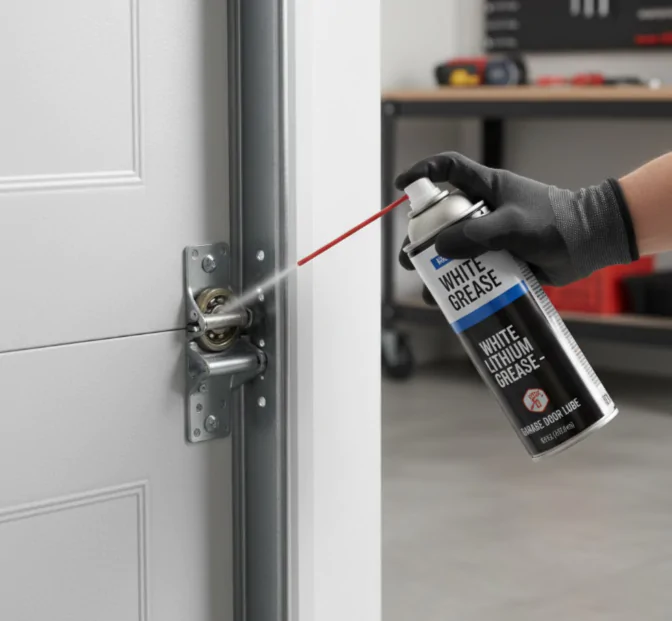
- Silicone-based garage door lubricant or lithium grease
- Clean cloth or rag
- Step ladder
- Safety gloves
- Safety glasses
Do NOT use WD-40!!! It removes grease and attracts dust!
4. DIY Garage Door Roller Lubrication: 7 Step-by-Step Instructions
Step 1: Fully Close the Garage Door
Always lubricate with the door closed for stability and safety.
Step 2: Inspect the Rollers Carefully
Look for cracks, flat spots, rust, or loose bearings.
Step 3: Clean Each Roller First
Wipe away dirt, dust, and old residue before lubricating.
Step 4: Apply Lubricant to the Bearings
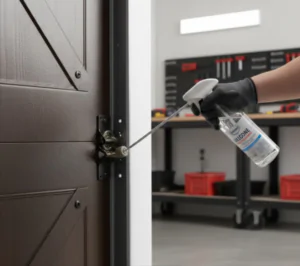
Spray lubricant directly into the roller bearings, NOT the track.
Step 5: Avoid Over-Lubrication
Short sprays are enough; excess grease attracts dirt.
Step 6: Open & Close the Door 2-3 Times
This distributes lubricant evenly and reduces noise instantly.
Step 7: Listen for Remaining Noise
If grinding persists, another issue may exist.
5. What NOT to Lubricate (Common DIY Mistakes)
Avoid lubricating these parts:
- Garage door tracks (clean only)
- Springs
- Cables
- Motor housing
Using the wrong lubrication can lead to serious safety hazards and may exacerbate existing damage, potentially resulting in garage door or its parts failure or unsafe operating conditions.
6. How Often Should You Lubricate Garage Door Rollers in Perth?
We are recommending on the following schedule:
- Every 6 months (standard homes)
- Every 3–4 months (coastal or dusty areas)
- Immediately, if noise returns
Remember! Regular DIY garage door roller lubrication prevents expensive repairs.
7. When DIY Garage Door Roller Lubrication Is NOT Enough
Call a garage door specialist if:
- Grinding noise continues
- The door moves unevenly
- Rollers wobble or bind
- The door feels heavy
- Noise comes from the springs or the motor
Never attempt DIY spring or cable repairs! They are dangerous.
8. Should You Upgrade to Nylon Rollers?
Nylon rollers are a popular upgrade for Perth homes.
Pros:
- Much quieter operation
- Less lubrication needed
- Smoother door movement
Cons:
- Slightly higher upfront cost
These rollers are ideal for bedrooms above garages or frequent use.
Lubricating the rollers of your garage door is not only a simple DIY task, but it also offers an economical solution to minimize noise, decrease wear and tear, and significantly prolong the lifespan of your entire garage door system. Given the harsh climate conditions in Perth, where temperatures can fluctuate dramatically and humidity levels can rise, regular lubrication becomes a crucial maintenance step rather than merely a suggestion.
By ensuring that the rollers are well lubricated, you can enjoy a quieter and smoother door operation. However, if you still notice persistent noises even after applying lubricant, it’s advisable to seek a professional inspection. This proactive approach can help identify underlying issues, preventing potential severe damage and ensuring that your garage door continues to operate safely and reliably throughout the year.
If your door is making noises and you already tried to lubricate it but it steel makes these noises, do not hesitate to contact us. We in Silverline guaranteeing fast and professional service and consultation!
Frequently Asked Questions About Garage Door Roller Lubrication
How do I know if my garage door rollers need lubrication or replacement?
If your garage door is noisy but the rollers look intact, lubrication is often enough.
However, cracked, wobbling, or rusted rollers usually need replacement.
If you’re unsure, a professional can confirm the issue with a garage door inspection.
What is the best lubricant for garage door rollers in Perth’s climate?
Silicone-based garage door lubricant or white lithium grease works best in Perth’s heat and dust.
Avoid WD-40, as it strips grease and attracts dirt.
Using the correct product helps reduce wear and extends roller life.
How often should I lubricate garage door rollers if I live in Perth?
Most Perth homes should lubricate rollers every 6 months.
Coastal or dusty areas may need lubrication every 3–4 months.
Regular maintenance can prevent the need for major garage door repairs.
.
Can lubricating garage door rollers fix grinding noises completely?
Lubrication fixes noise caused by dry or dirty rollers.
Grinding noises from worn rollers, misaligned tracks, springs, or motors require professional repair.
Persistent noise should never be ignored.
Is DIY garage door roller lubrication safe, or should I call a professional?
DIY lubrication is safe if limited to cleaning and lubricating roller bearings with the door fully closed.
Never attempt spring or cable adjustments.
If the noise continues, contact a garage door specialist in Perth.